ELIMS: LIMS software for medicine testing on one dashboard.
LIMS software for pharmaceutical testing in daily use: the IE&I Inspection Department of the Pakistan Army at Chaklala creates and performs the testing of tablets with HPLC on ELIMS, our Laboratory Information Management System (LIMS), with every instrument synchronised and every report on a single page, procured through DGP (Army).
LIMS softwareMedicine testingHPLC data integrationTablets and capsulesOOS and CAPAPharmaceutical QC
Pharmaceutical quality control: testing tablets, capsules and medicines before they go to market
Product
ELIMS (also LIMS), the Laboratory Information Management System at elims.pk
Laboratories
Chemical Lab, Micro Lab and Physical Lab, with HPLC for tablet testing
Delivered by
Eziline Software House, Islamabad
The challenge
Every tablet is a test. Every test needs a record.
A medicine-testing laboratory does not sell a product. It sells a decision: this batch is fit to reach patients, or it is not. That decision is only as good as the record behind it, and the record is spread across samples, methods, instruments, analysts and approvers.
Many samples, many hands
A sample moves from the sample room to an issue authority, an analyst, a reviewer and an approver. Each hand-over has to be visible, or tests stall and nobody knows where.
Instruments that must feed the record
HPLC and the rest of the apparatus produce readings that have to reach the right test, be calculated with the right formula and sit beside the report. Re-typing them is slow and invites mistakes.
Evidence that stands up to review
Specifications, methods, standards, reagent lots, calibration, signatures and any failure or deviation all have to be traceable. Reporting should be one page, not a hunt through files.
One connected laboratory
Labs, stores and roles on the same record.
ELIMS brings the chemical, micro and physical laboratories, the sample room and every reviewing role onto one system. A reading captured at the bench is the same reading the quality teams approve and the officers in charge see.
Laboratories and stores
Sample Room · Chem Lab · Micro Lab · Physical Lab
Role-based dashboards
Analysts · Research Officers · Quality Control · Quality Assurance · Issue Authority · QuarterMaster · OC · 2IC
What ELIMS covers
The whole medicine-testing workflow, in twelve modules.
ELIMS is built on a POS and ERP base, with laboratory modules on top. Each module reads and writes the same sample, so nothing is typed twice.
Samples, groups and sample room
Register samples with generic name, batch and supplier, group them for testing, and track stock and expiry. A sample room dashboard shows what has been received and what is waiting to be issued.
SamplesSample groupsBatches and expiry
Test groups, batches and log book
Define the tests each sample type needs, assign them in test batches and keep the log book entry with the batch. Analysts see their queue; managers see every test state from queued to approved.
Test groupsTest batchesLog book
HPLC data integration
Instruments push readings straight to the right test through the reading API. Formulas calculate the result and the instrument's PDF output is attached to the record, so nothing is retyped.
Reading APIFormulasPDF attached
Pre Test Report (PTR)
Before testing, a PTR fixes the test name, specification and method for the sample. It then runs a verify, approve or reject workflow with remarks, so the specification is agreed before the first reading.
SpecificationsMethodVerify and approve
Sample Testing Report (STR)
The STR gathers the results of a sample or batch with remarks passed between roles, and moves through pending, queued, completed, awaiting approval, approved, rejected or failed. It prints as a PDF report.
Remarks inboxApproval statesPDF report
OOS and deviation management
Out-of-specification results are logged with the product and reason, and deviations with the sample, batch and instrument. Both are answered through recorded replies, so every investigation has an owner and an outcome.
OOSDeviationsResponses
CAPA
Corrective and preventive actions are raised against an instrument or a finding, marked to a person and tracked with remarks and status. The history stays on the record.
Corrective actionPreventive actionFollow-up
Instrument management
Every instrument has its own page: information, calibration and calibrator details, utilisation logs, CAPA, deviations and a printable QR label for quick scanning at the bench.
CalibrationUtilisation logQR labels
Methods, standards and SOPs
A library of test methods, reference standards, reagents with lot numbers, pharmacopoeia references and SOPs with reference codes. Standards and reagents are demanded, approved and issued with a log.
MethodsReference standardsReagentsSOPs
Electronic signatures and audit log
Each user has an electronic signature that appears on the reports they create and approve. An audit log records activity by module, including print events.
E-signatureAudit logPrint log
Contracts and demand
Supplier contracts with monthly logs and fiscal-year links, and demand requests that are approved, rejected or issued, so what arrives for testing is traceable to its order.
ContractsDemandSuppliers
Roles, WhatsApp and backup
Dashboards for Analysts, Research Officers, Quality Control, Quality Assurance, Sample Room, Issue Authority, QuarterMaster, OC and 2IC, a daily WhatsApp summary, and built-in backups.
Role dashboardsWhatsAppBackup
From sample to signed report
One sample, one record, six steps.
Follow a single tablet sample through ELIMS. Each step feeds the next, and the last step is the report the department signs.
Receive
The sample is registered with batch and supplier in the sample room.
Plan
A PTR fixes tests, specification and method, then is verified and approved.
Issue
Standards, reagents and the test batch are issued to an analyst.
Test
The HPLC run is performed and readings are pushed to the test.
Calculate
Formulas turn readings into results, with the PDF attached.
Approve
The STR is reviewed, approved or rejected and printed with signatures.
Instruments in sync
Every apparatus talks to the same dashboard.
ELIMS gives instruments a front door. Each reading arrives at the reading API, a formula calculates the result, and the outcome appears with its chromatogram on the dashboard, ready to be verified and approved.
Illustration: example instruments, a made-up chromatogram and layout only. No real readings or results are shown.
Daily visibility
Yesterday's laboratory activity, on WhatsApp.
ELIMS can send a morning WhatsApp summary of the previous day to nominated recipients, so the state of samples, PTRs, tests and STRs is known before anyone opens a report.
ELIMS · Daily summary
Good Morning: summary of yesterday
Samples · received
PTR · pending and approved
Test status · queued and completed
STR · pending and approved
Total data · received, approved and completed against total
Layout of the daily message. Figures are left out here.
Testing in pictures
The kind of work ELIMS manages.
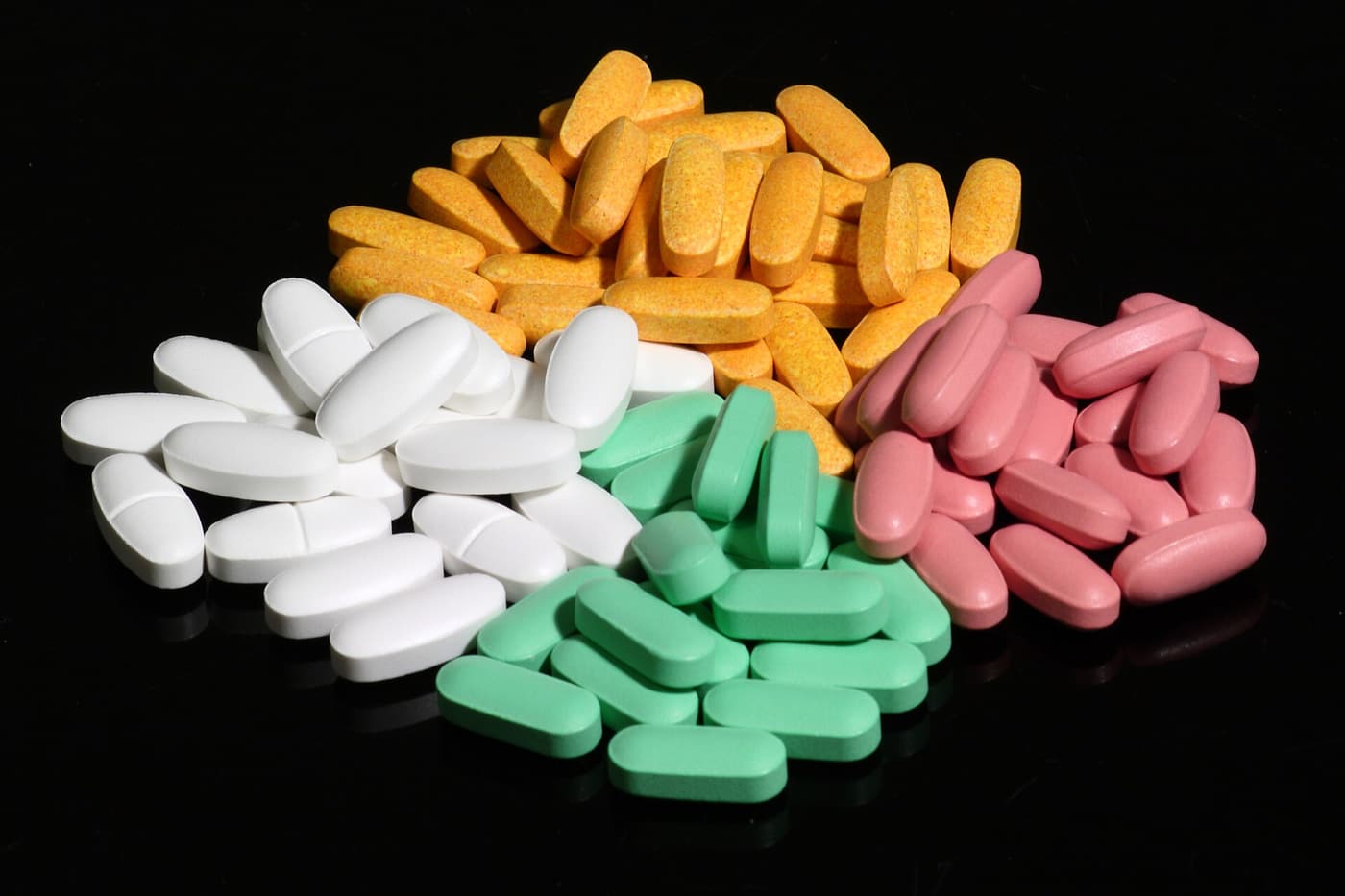
These are illustrative photographs from open-licence sources. They show the equipment and results the system records, and they are not pictures of the client's laboratory. The tablets photograph at the top of the page is by Ragesoss, CC BY-SA 3.0, via Wikimedia Commons.
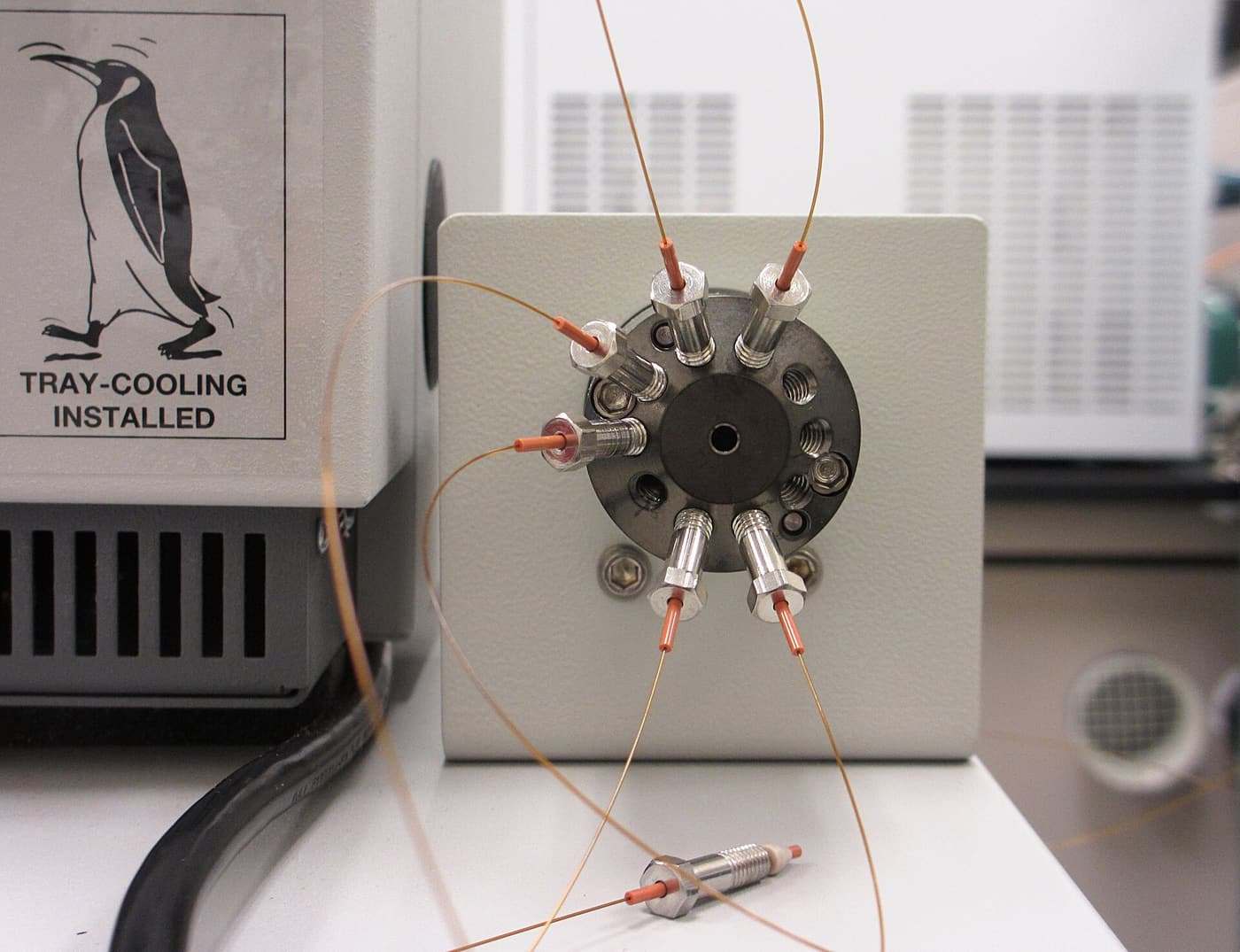
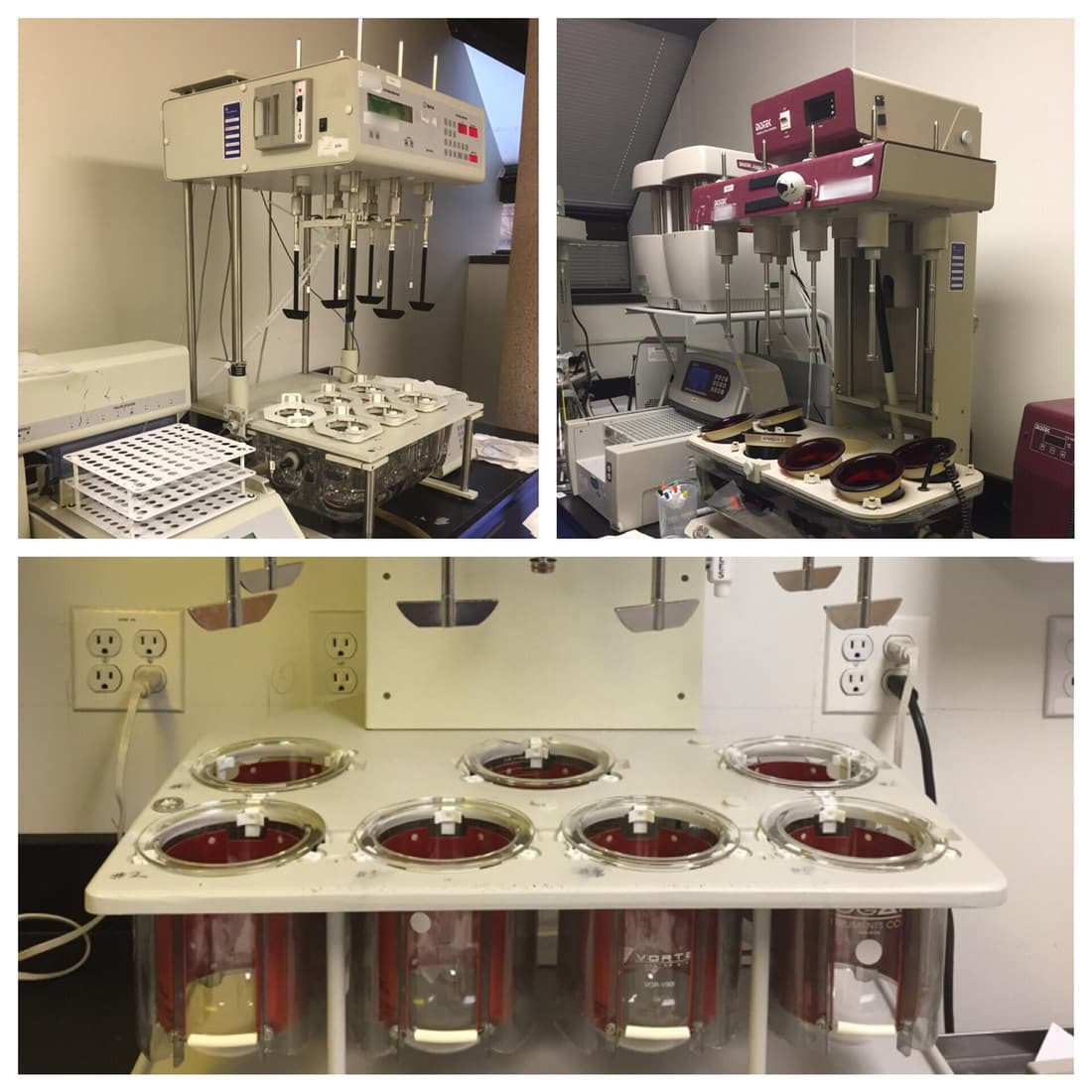
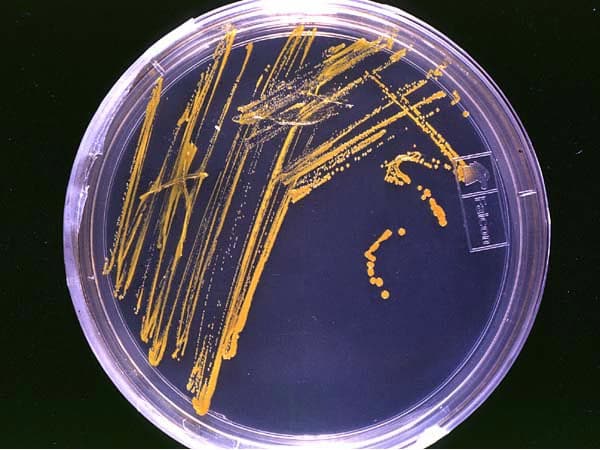
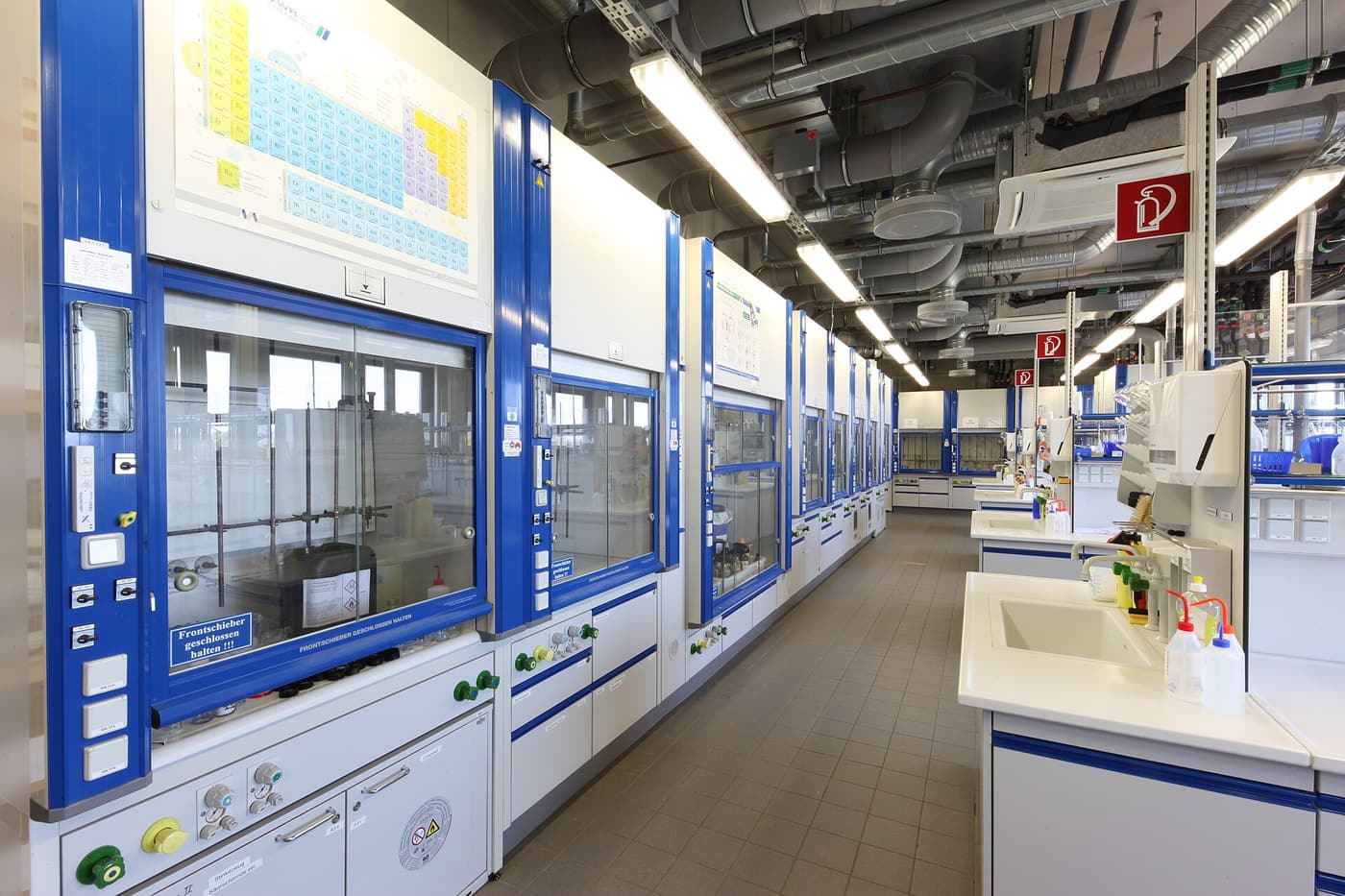
Liquid chromatography injection valve, where a prepared sample enters the systemPhoto: Michael Pereckas, CC BY 2.0, Wikimedia CommonsDissolution testing units, a standard physical test for tablets and capsulesPhoto: Sanjev Rajaram, CC BY-SA 4.0, Wikimedia CommonsA culture plate, the kind of result microbiological testing readsPublic domain, Wikimedia CommonsA chemical laboratory with fume cupboards and benchesPhoto: Elrond, CC BY-SA 4.0, Wikimedia Commons
What changed
One system the whole laboratory works in.
Tablet testing on one record
The department creates and performs all tablet testing with HPLC inside ELIMS, from sample to report.
Instruments in sync
All apparatus are synchronised with each other and with the system, so readings are captured, not retyped.
Reporting on a single page
Results, approvals and reports sit on one page and dashboard, without hassle.
Quality controls built in
PTR and STR approvals, OOS, deviations, CAPA, calibration, e-signatures and an audit log live in the same place as the tests.
In plain words
LIMS software for pharmaceutical and medicine testing in Pakistan
A laboratory information management system, or LIMS, is software that runs the daily work of a testing laboratory: receiving samples, assigning tests, capturing instrument readings, calculating results, routing approvals and producing the report. For a pharmaceutical quality control laboratory, that means tablet and capsule testing, HPLC data integration, specifications and methods, and a clear trail when a result falls out of specification.
ELIMS, also written LIMS and described by its owner as a Lab Integrated Management System, is the medicine testing software we built for this purpose. It tracks samples and test batches, takes readings from instruments through an API, applies formulas, and puts the chemical, micro and physical laboratories on role-based dashboards. OOS and CAPA management, deviations, calibration, SOPs, electronic signatures and an audit log support GLP and GMP style record keeping. We make no certification claim: the system is a tool that helps a laboratory keep the records its own procedures require.
Eziline builds LIMS software in Pakistan for pharmaceutical, food, chemical and analytical laboratories. We configure tests, specifications, instruments and roles to your procedures, connect your apparatus, host or install the system and support it after go-live, working from our Islamabad office.
LIMS software PakistanLaboratory information management systemMedicine testing softwarePharmaceutical quality control softwareHPLC data integrationTablet and capsule testingOOS and CAPA managementGLP and GMP lab softwareInstrument calibration trackingSample and batch trackingElectronic signature and audit logLab dashboard and reporting
Questions
ELIMS: LIMS for medicine testing: frequently asked questions.
What is a LIMS?
A LIMS, or laboratory information management system, is software that manages samples, tests, instrument data, approvals and reports in a laboratory. ELIMS is a LIMS designed for testing tablets, capsules and medicines before they go to market.
What is ELIMS?
ELIMS, also called LIMS or Lab Integrated Management System, is the laboratory management system at elims.pk, built by Eziline. It runs sample testing, HPLC results, PTR and STR approvals, OOS, CAPA, deviations and instrument records on one dashboard.
Can LIMS software connect to HPLC and other instruments?
Yes. ELIMS exposes a reading API that instruments push results to, with formulas that calculate the result and PDF output attached to the test. At the client laboratory the apparatus are synchronised with each other and with the dashboard.
Does ELIMS handle out-of-specification results and CAPA?
Yes. Out-of-specification results and deviations are logged, with deviations linked to the sample, batch and instrument, and both are answered with recorded replies. CAPA actions are marked to a person and tracked with remarks and status.
Is ELIMS GLP or GMP compliant?
ELIMS includes the features such records rely on: SOPs, calibration logs, electronic signatures, an audit log, approvals and deviation handling. We describe it as supporting GLP and GMP style practice and do not claim certification, which depends on the laboratory's own procedures.
What are PTR and STR in ELIMS?
PTR is the Pre Test Report, which fixes the test, specification and method before testing and is verified and approved. STR is the Sample Testing Report, which gathers results and remarks and goes through approval before it is printed.
Who uses ELIMS in this case study?
The IE&I Inspection Department of the Pakistan Army at Chaklala, procured through DGP (Army). The department creates and performs all tablet testing with HPLC on ELIMS and reports from a single page and dashboard.
Can Eziline build a LIMS for our laboratory?
Yes. We configure ELIMS to your tests, instruments, roles and approvals, or build custom modules. Book a free consultation and we will scope your laboratory.
Your turn
Need a system like this for your organisation?
Tell us how your teams work today. We will show you the closest running system, then scope and quote yours with your workflows, roles and reports.