Starting Your Online Store
The world of e-commerce presents exciting opportunities for entrepreneurs to establish and grow their online businesses. This blog post serves as an introductory guide to starting your online store, offering essential steps and key considerations for launching a successful e-commerce venture.
Introduction:
The digital era has transformed the way we buy and sell goods, making e-commerce a thriving avenue for aspiring entrepreneurs. This post is a comprehensive introduction for individuals looking to venture into the world of online retail, providing a step-by-step approach to starting a successful e-commerce store.
Identifying Your Niche and Products:
Begin your e-commerce journey by identifying a niche market and the products you want to sell. Consider your interests, expertise, and the demand in the market. Conduct market research to understand your target audience and competitors. Choosing the right niche lays the foundation for a successful online store.
Researching and Selecting E-commerce Platforms:
Choose a reliable e-commerce platform that aligns with your business needs. Platforms like Shopify, WooCommerce, and BigCommerce offer user-friendly interfaces and customizable features. Research and compare the options to find the platform that suits your products, budget, and technical requirements.
Setting Up Your Online Store:
Once you’ve selected an e-commerce platform, it’s time to set up your online store. Customize your store’s design, add product listings, and configure essential settings such as payment gateways and shipping options. Ensure a seamless and user-friendly shopping experience for your customers.
Optimizing Product Descriptions and Imagery:
Create compelling product descriptions that highlight the features and benefits of your products. Use high-quality images to showcase your merchandise from multiple angles. Optimized product listings contribute to better search engine visibility and increased customer confidence.
Implementing Secure Payment Options:
Prioritize the security of your customers’ financial information by implementing secure payment gateways. Popular options include PayPal, Stripe, and credit card processors. Display trust badges and SSL certificates on your website to assure customers of a secure and safe shopping environment.
Establishing a Robust Shipping Strategy:
Develop a clear and efficient shipping strategy. Determine shipping rates, delivery times, and international shipping options if applicable. Communicate shipping policies transparently to customers. Offering options such as free shipping or tiered shipping rates can incentivize purchases.
Implementing Effective Marketing Strategies:
Marketing is crucial for driving traffic to your online store. Utilize a mix of digital marketing strategies, including social media marketing, email campaigns, and search engine optimization (SEO). Leverage paid advertising platforms like Google Ads and Facebook Ads to reach a wider audience.
Building a Responsive and Mobile-Friendly Website:
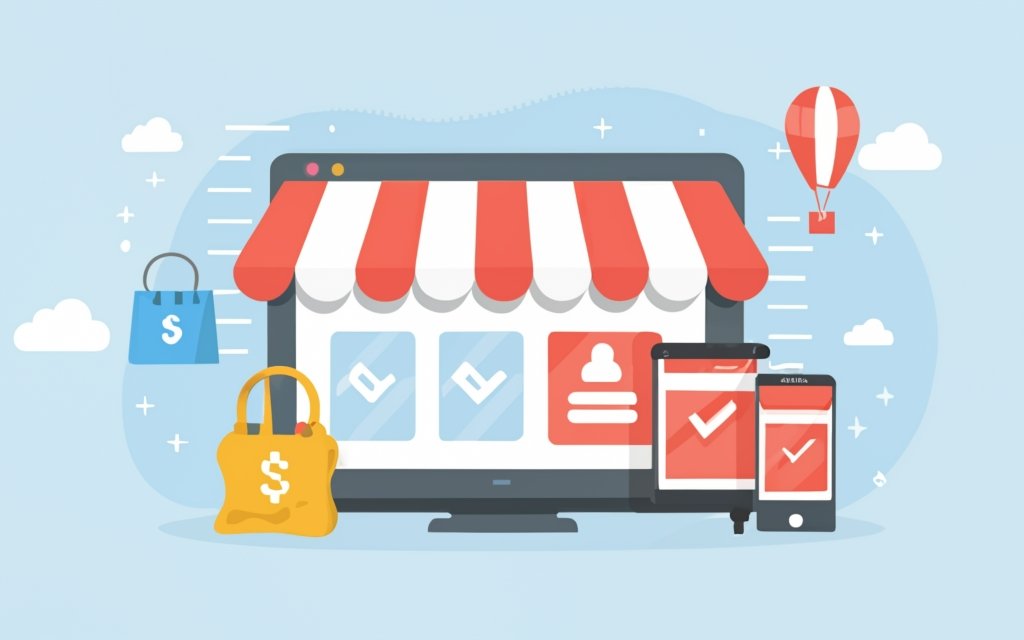
Ensure that your e-commerce website is responsive and optimized for mobile devices. Many customers shop using smartphones and tablets, so a mobile-friendly design enhances the user experience and increases accessibility, contributing to higher conversion rates.
Implementing Customer Support Systems:
Establish robust customer support systems to address inquiries, concerns, and returns. Provide multiple contact channels such as email, live chat, and a dedicated customer support phone line. Prompt and helpful customer service contributes to positive customer experiences and encourages repeat business.
Monitoring Analytics and Key Metrics:
Regularly monitor analytics and key metrics to assess the performance of your online store. Track sales, conversion rates, website traffic, and customer behavior. Use analytics insights to identify areas for improvement and refine your e-commerce strategy over time.
Ensuring Legal Compliance:
Understand and adhere to legal requirements related to e-commerce. This includes compliance with consumer protection laws, privacy policies, and payment card industry data security standards (PCI DSS). Legal compliance builds trust with customers and minimizes the risk of legal issues.
Scaling Your E-commerce Business:
As your online store grows, explore opportunities to scale your business. Consider expanding your product range, targeting new markets, and implementing advanced marketing strategies. Continuously assess and adapt your business strategies to stay competitive and meet the evolving needs of your customers.
Conclusion:
Starting your online store is a thrilling venture that requires careful planning and execution. By identifying your niche, selecting the right e-commerce platform, setting up your store, optimizing product listings, implementing secure payment options, establishing a shipping strategy, implementing effective marketing strategies, building a responsive website, providing customer support, monitoring analytics, ensuring legal compliance, and scaling your business, you can embark on a successful e-commerce journey and create a thriving online presence.